Bunbun: A Playful Display Font for Makers
The morning light hits my workbench just right as I pull up the design file for a new batch of soy wax candles. I have been struggling with the label typography for weeks. The scent is "Lemon Zest & Honey," and while the branding needs to feel artisanal, it also needs to pop on a crowded shelf at the local farmers' market. Most serif fonts feel too stiff, and standard sans serifs lack the personality I am aiming for. Then I load Bunbun.
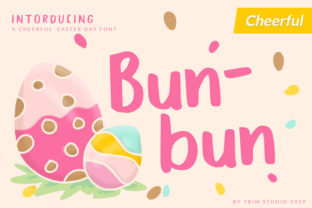
Immediately, the mood shifts. The letters bounce onto the screen with a cheerful energy that matches the bright yellow label background perfectly. This is not just another typeface; it is a display font with a distinct handwritten style that brings a fun and playful touch to the design. As a creator who spends hours perfecting every detail of handmade goods, finding a font that feels authentic yet professional is rare. Bunbun captures that delicate balance, making it an instant favorite for anyone looking to inject warmth and character into their product line.
Bringing Handwritten Charm to Product Labels
When you run a small shop, whether online or in person, your packaging is your silent salesperson. It speaks before the customer even touches the product. Using a font like Bunbun for product labels transforms a simple jar or box into a curated experience. I tested it on a set of boutique soap tags, pairing the bold, rounded letters of Bunbun with a clean, minimal sans serif font for the ingredient list. The contrast was striking. The main title stood out with its unique, bubbly personality, while the secondary text remained legible and professional.
This display typeface shines brightest when used for short phrases, names, and titles. It is not designed for long paragraphs of body text, but it excels in decorative wording. Imagine using it for the front of a greeting card, where a single word like "Joy" or "Celebrate" needs to carry emotional weight. The irregular strokes and organic curves of Bunbun mimic the natural movement of a hand holding a marker, which resonates deeply with customers who value handmade quality. It signals that a human being, not a machine, crafted the item inside.
Versatility Across Seasons and Occasions
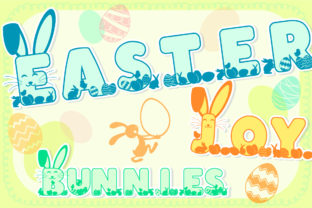
One of the most practical aspects of adding Bunbun to your design assets library is its seasonal versatility. The description highlights its suitability for Easter designs, and it is easy to see why. The soft, rounded terminals evoke the feeling of spring eggs and blooming flowers. However, limiting it to one holiday would be a mistake. I have found it equally effective for birthday invitations, where its playful nature sets a festive tone, and for wedding welcome boards, particularly for casual or rustic-chic ceremonies that want to avoid stuffy formalities.
For printable creators, this font is a goldmine. Whether you are designing planner pages that need a cheerful header, creating printable wall art for a nursery, or crafting digital downloads for party decorations, Bunbun adds an immediate layer of approachability. Its cheerful theme makes it ideal for accessories and cards that aim to spread happiness. When I designed a set of digital stickers for a planner community, using Bunbun for the motivational quotes increased the perceived value of the pack. It felt personal, like a note from a friend, rather than generic clipart.
Enhancing Brand Identity and Customer Engagement
Consistency is key in building a recognizable brand identity. When you use a distinctive display font like Bunbun across your social media graphics, packaging, and website banners, you create a visual thread that customers begin to associate with your shop. It helps in audience engagement because it stands out in a sea of uniform, corporate-style typography. People stop scrolling when they see something that feels human and joyful.
However, readability is crucial, especially when translating digital designs to physical merchandise. If you are using cutting machines like Cricut or Silhouette for vinyl decals on mugs, shirts, or tote bags, test the size carefully. Bunbun is a display font, meaning it is optimized for larger sizes. On a small sticker or a tiny product tag, ensure the letter spacing is adjusted so the characters do not merge. For best results, use it for primary headlines and pair it with a simple, highly legible font for any necessary fine print. This hierarchy ensures that your design remains both beautiful and functional.
Technical Considerations for Commercial Use
Before you start printing hundreds of labels or listing new digital products, it is essential to review the technical specifications of the font. Check the included file formats to ensure compatibility with your preferred design software. Most modern premium fonts come in OTF or TTF formats, which work seamlessly in programs like Adobe Illustrator, Photoshop, and Canva. If you are creating SVG-style designs for cutting machines, verify if the font supports direct conversion or if you need to outline the text first.
Also, look for extra typographic features. Does Bunbun include alternates, ligatures, or swashes? These elements can add a custom touch to your logo design or editorial design projects, allowing you to tweak the look without needing advanced illustration skills. Multilingual support is another factor to consider if you plan to sell internationally or create designs in multiple languages. Finally, always confirm the commercial font licensing terms. Ensure that the license covers the specific ways you intend to use the font, such as on physical products, templates, or digital downloads, to protect your business and respect the type designer’s work.
Incorporating Bunbun into your creative workflow is more than just choosing a pretty typeface; it is about selecting a tool that aligns with the heart of your handmade business. It brings a sense of whimsy and warmth that can elevate simple items into cherished keepsakes. Whether you are designing a farmhouse sign, a holiday gift tag, or a modern typography poster, let the cheerful spirit of this font guide your creativity. It reminds us that design does not always have to be serious to be effective. Sometimes, a little playfulness is exactly what a brand needs to connect with its audience on a deeper, more human level.